Commercial pool leak detection: how facility managers find hidden water loss
Why water disappears faster than it should
Every commercial pool loses some water to evaporation, splashing, and normal filter backwashing. But when a pool loses several inches a day, or the autofill cycles every few hours, something else is going on. A hidden leak in the structure or the plumbing network can waste thousands of gallons a month, drive up operating costs, and damage the pool shell and surrounding surfaces. For facility managers, the challenge is finding the leak before it becomes a major repair.
Commercial pool leak detection is the process of locating and measuring leaks in the pool basin, the circulation system, and the underground pipes that connect them. Unlike a residential pool, a public pool or hotel pool has complex equipment, strict health codes, and limited downtime. The detection methods have to be precise, non-destructive, and fast enough to get the pool back in service.
How a commercial pool loses water
Leaks happen in two main areas: the structure and the plumbing. Structural leaks occur in the pool shell itself, through cracks in the gunite, concrete, or fiberglass, or through the tile grout and expansion joints. Plumbing leaks happen in the pipes that carry water to the skimmers, returns, drains, and the equipment pad. Both types can be hard to spot because the water drains away before it surfaces, or because the leak is underground.
Common signs include a drop in water level that does not match evaporation, air bubbles in the pump basket, wet spots near the pool, and an autofill system that runs longer than usual. A sudden increase in the water meter reading during the night, when the pool is not in use, is a reliable indicator that something is wrong.
The detection process step by step
Commercial pool leak detection follows a systematic approach. The first step is to rule out normal water loss. A bucket test measures the evaporation rate and compares it with the pool's actual water loss over 24 hours. If the pool loses more than the bucket, a leak is likely.
Once a leak is suspected, the technician isolates parts of the system. They shut off the pump and close the valves to the spa, water features, and any other secondary systems. Then they measure the water level again. If the level stabilises when the pump is off, the leak is in the pressure side of the circulation system. If the level continues to drop, the leak is in the pool structure or the suction-side plumbing.

Pressure testing the plumbing
To find a leak in the pipes, the technician uses a pressure test. They plug the lines at the equipment pad and at the pool wall, then pressurise the system with air or water. A gauge shows whether the pressure holds. If it drops, the technician can isolate each line and listen for the sound of escaping air or water with a sensitive ground microphone. This method pinpoints the leak to a specific pipe run without digging up the whole yard.
For leaks in the pool shell, the technician uses a dye test. They inject a small amount of coloured dye near the suspected crack or joint while the pump is off. If the dye is pulled into the crack, the leak is confirmed. This works well for visible cracks, tile grout, and light fixtures. For larger structural leaks, a diver may use a rubber pressure plug and a calibrated gauge to measure the exact flow rate through the crack.
Electronic leak detection
For underground pipe leaks that are hard to reach, electronic listening devices pick up the sound of water escaping under pressure. A technician places a hydrophone against the pipe or the ground and walks the line, listening for a hiss or a gurgle. This method works best on metal and PVC pipes in dry soil. In wet soil, the sound travels differently, and the technician may combine it with a tracer gas test, where a harmless gas is injected into the line and a sensor sniffs for it above ground.
What facility managers should understand
Commercial pool leak detection is not a simple fix-it job. It requires specialised tools and training to avoid damaging the pool or the surrounding structures. A facility manager who spots the signs early can save money on water bills and prevent erosion of the pool's foundation.
The key is to monitor the water level and the water meter regularly. A daily log of the water level, taken at the same time each day, creates a baseline. When the level starts to drop faster, the manager knows to call a professional. The same goes for the circulation system: a pump that cycles more often than usual, or a filter that loses prime, can point to a suction leak.
Another practical step is to keep an inspection record of the pool's surfaces and equipment. Cracks in the plaster or tile, loose tiles, and worn gaskets around the lights and skimmers are common leak sources. Sealing these small defects early can prevent a larger structural leak later.
Why professional detection matters
A commercial pool is a high-use asset. A hotel pool, a community pool, or a therapy pool often operates year-round. Shutting it down for a week to find a leak is not an option. Professional detection methods are non-destructive and fast, often completed in a day or two. The technician works around the pool's schedule, performing tests during off-hours or during routine maintenance windows.
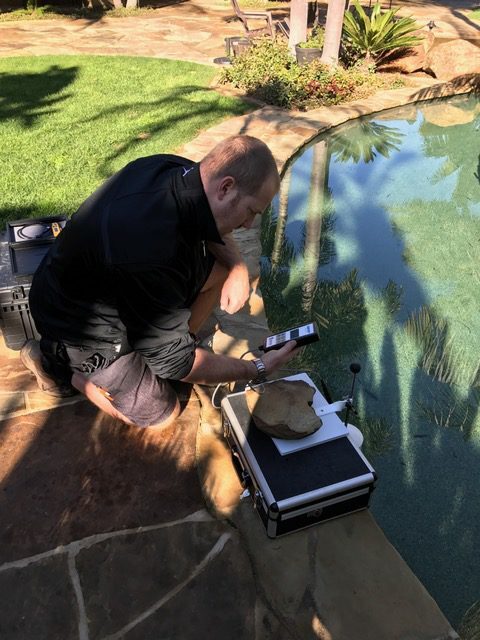
Swim Care Pool Services provides specialized leak detection for residential and commercial swimming pools, spas, and related plumbing in San Diego. Their team uses the same methods described here: bucket tests, pressure testing, dye testing, and electronic listening. For a facility manager facing an unexplained water loss, a professional assessment is the quickest way to confirm the problem and start planning the repair.
Once the leak is located, the repair options depend on the type and location. A cracked pipe underground may need a trenchless repair, where a liner or epoxy is inserted into the pipe. A structural crack in the pool shell may need a patch or a full resurfacing. In either case, the detection report gives the manager the information they need to get accurate bids from contractors and to schedule the work with minimal disruption.
Prevention is better than cure
Not every water loss is a leak. Normal evaporation varies with temperature, humidity, and wind. A properly maintained pool with a cover loses less water than one left open. But the best prevention is a regular inspection routine. Checking the water level daily, looking for wet spots around the equipment pad, and listening for air in the pump basket can catch small problems before they become leaks.
Facility managers who work with a reliable detection service build a history of the pool's condition. Over time, that history helps distinguish between normal wear and a developing problem. It also supports budget planning for future repairs and resurfacing.
Swim Care Pool Services offers commercial pool leak detection for hotels, apartments, schools, and other facilities in the San Diego area. Their approach combines the same industry-standard techniques with local knowledge of soil types, groundwater conditions, and common construction methods in the region. For a facility manager, that local experience matters: a leak in a clay soil behaves differently from a leak in sandy soil, and the detection method should match the conditions.
What to expect from a professional visit
A typical commercial pool leak detection visit starts with a consultation. The technician asks about the pool's history, recent repairs, and the symptoms the manager has noticed. Then they perform a series of tests, starting with the bucket test and moving to more specific tests as needed. The manager should expect the technician to explain what they are doing and why, and to provide a written report with the findings.

The report should include the leak location, the estimated flow rate, and a recommendation for the next steps. It should not include a price for the repair, because the detection service and the repair service are usually separate. The manager can then take the report to a pool contractor for a repair bid.
In some cases, the detection itself may save enough in water costs to pay for the service within a few months. A small leak that loses one gallon per minute adds up to over 43,000 gallons a month. For a facility paying commercial water rates, that is a significant expense. Finding and fixing that leak pays for itself quickly.
Commercial pool leak detection is a specialised field, but the principles are straightforward. Water does not disappear without a reason. With the right tools and a methodical approach, any leak can be found and repaired. For the facility manager, the payoff is lower operating costs, longer equipment life, and a pool that stays full and ready for use.